Understanding SaaS: The Foundation of Modern Digital Transformation
Software as a Service (SaaS) has fundamentally reshaped how we build, deliver, and consume software. Instead of purchasing and installing applications on individual machines or on-premise servers, we access powerful software solutions through the cloud. This model eliminates infrastructure complexity while providing scalability, security, and performance that traditional systems struggle to match.
We operate in an era where agility defines success. SaaS platforms empower organizations to deploy tools instantly, scale globally, and adapt to market shifts without heavy capital investment. By leveraging cloud infrastructure, we ensure continuous innovation, seamless updates, and consistent user experiences across devices and geographies.
At its core, SaaS transforms software from a product into a service-driven ecosystem—one built on accessibility, automation, and ongoing value delivery.
How SaaS Works: Architecture, Infrastructure, and Cloud Delivery
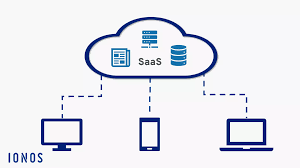
The SaaS model operates through cloud-based infrastructure hosted by providers such as AWS, Microsoft Azure, or Google Cloud. Applications are centrally maintained, and users access them via web browsers or APIs.
Multi-Tenant Architecture
Most SaaS platforms use multi-tenant architecture, where a single instance of the software serves multiple customers while keeping data isolated and secure. This approach reduces costs, enhances efficiency, and enables rapid feature deployment across the entire user base.
Subscription-Based Model
Unlike traditional perpetual licenses, SaaS operates on a subscription pricing model—monthly or annual recurring revenue. This ensures predictable costs for customers and consistent revenue streams for providers.
Continuous Integration and Deployment
SaaS applications rely on continuous integration (CI) and continuous deployment (CD) practices. We release improvements incrementally, ensuring performance enhancements, security patches, and new features are delivered seamlessly without service interruptions.
Key Benefits of SaaS for Businesses
1. Cost Efficiency and Reduced Capital Expenditure
We eliminate upfront infrastructure investments. There is no need for hardware procurement, server maintenance, or complex installations. SaaS operates on a pay-as-you-go model, making it ideal for startups and enterprises alike.
2. Scalability and Flexibility
SaaS platforms scale instantly. Whether onboarding five users or five thousand, we adjust resources dynamically. This flexibility supports rapid growth and fluctuating demand.
3. Automatic Updates and Maintenance
Software updates happen automatically. Security patches, compliance upgrades, and performance improvements occur in the background, ensuring systems remain current without manual intervention.
4. Global Accessibility
Users access SaaS applications from any location with internet connectivity. This supports remote teams, distributed operations, and global expansion strategies.
5. Enhanced Security and Compliance
Leading SaaS providers implement enterprise-grade encryption, multi-factor authentication, and regulatory compliance standards such as GDPR, SOC 2, and HIPAA. Centralized management strengthens data protection.
Core SaaS Categories Transforming Industries
Customer Relationship Management (CRM) SaaS
Platforms like Salesforce and HubSpot help organizations manage customer interactions, automate sales pipelines, and track marketing performance. CRM SaaS enhances engagement and revenue optimization.
Enterprise Resource Planning (ERP) SaaS
Cloud-based ERP systems integrate finance, procurement, HR, and operations into unified platforms. This integration improves visibility and operational efficiency.
Project Management SaaS
Tools such as Asana, Monday.com, and ClickUp streamline collaboration, task allocation, and workflow automation, ensuring productivity across teams.
Marketing Automation SaaS
Marketing SaaS platforms automate email campaigns, analytics tracking, content distribution, and lead nurturing, increasing conversion rates and customer retention.
Collaboration and Communication SaaS
Solutions like Slack, Zoom, and Microsoft Teams enable real-time communication and remote collaboration, essential in hybrid work environments.
SaaS Business Model: Revenue, Metrics, and Growth
The SaaS business model is built on recurring revenue and measurable performance indicators.
Monthly Recurring Revenue (MRR) and Annual Recurring Revenue (ARR)
These metrics track predictable income streams and indicate financial stability.
Customer Acquisition Cost (CAC)
CAC measures the total expense of acquiring a new customer, including marketing and sales efforts.
Customer Lifetime Value (CLV)
CLV estimates the total revenue generated by a customer over their subscription period. High CLV combined with optimized CAC ensures sustainable growth.
Churn Rate
Churn measures customer attrition. Reducing churn through product innovation and customer support directly increases profitability.
SaaS vs Traditional Software: A Strategic Comparison
| Feature | SaaS | Traditional Software |
|---|---|---|
| Deployment | Cloud-based | On-premise |
| Pricing | Subscription | One-time license |
| Updates | Automatic | Manual |
| Scalability | Instant | Hardware dependent |
| Maintenance | Provider-managed | Customer-managed |
We observe that SaaS consistently delivers greater operational efficiency and cost predictability compared to legacy systems.
Security in SaaS: Protecting Data in the Cloud
Security remains central to SaaS success. Providers implement:
- End-to-end encryption
- Zero-trust architecture
- Role-based access control
- Real-time monitoring systems
- Disaster recovery and data redundancy
Data centers maintain multiple geographic backups, ensuring business continuity even during unexpected disruptions.
Emerging Trends in SaaS Innovation
Artificial Intelligence Integration
Modern SaaS platforms embed AI-powered analytics, predictive modeling, and automated decision-making systems. These tools optimize performance and uncover actionable insights.
Vertical SaaS
Vertical SaaS solutions target niche industries such as healthcare, fintech, real estate, and legal services. By addressing specialized needs, they achieve higher adoption and customer loyalty.
API-First Development
API-driven SaaS ecosystems promote seamless integrations between platforms, enabling businesses to build customized digital environments.
Low-Code and No-Code Platforms
Low-code SaaS solutions empower non-technical users to build workflows, automate processes, and create applications without extensive programming knowledge.
Choosing the Right SaaS Platform
When selecting a SaaS solution, we evaluate:
- Scalability potential
- Security certifications
- Integration capabilities
- Customer support quality
- Customization features
- Transparent pricing models
A strategic SaaS investment aligns with long-term operational objectives and growth trajectories.
Challenges in SaaS Adoption and How We Overcome Them
Data Migration Complexity
Migrating legacy systems to SaaS requires structured planning, secure data transfer protocols, and minimal downtime strategies.
Vendor Lock-In
We mitigate dependency risks by selecting platforms with strong API ecosystems and export flexibility.
Compliance Requirements
Industry regulations demand rigorous compliance management. Leading SaaS providers continuously update policies to maintain adherence.
The Future of SaaS: Hyper-Automation and Global Expansion
The SaaS industry continues evolving at a rapid pace. With advancements in machine learning, edge computing, and real-time analytics, we are moving toward hyper-automated ecosystems that reduce manual intervention.
Global SaaS revenue is projected to grow exponentially as businesses transition from on-premise systems to cloud-native infrastructures. Emerging markets, digital transformation initiatives, and remote work acceleration drive sustained expansion.
SaaS is no longer optional—it is foundational to competitive advantage.
Why SaaS Is the Backbone of Modern Enterprises
We rely on SaaS because it delivers:
- Operational efficiency
- Continuous innovation
- Predictable cost structures
- Scalable infrastructure
- Data-driven decision-making
By integrating SaaS solutions across departments, we build agile organizations capable of adapting to technological and market shifts.
The transformation from traditional software to cloud-based SaaS platforms marks a definitive shift in how businesses operate. Organizations that strategically implement SaaS gain flexibility, resilience, and long-term growth potential.
SaaS represents more than a software delivery model—it defines the digital architecture of modern commerce.